Skip to content

Best Gaming Laptops Reviewed

mm David Park 9 min read

The New Gaming Laptop Reality

Reviewed by David Park Updated

Quick Picks at a Glance

  • Best Overall Lenovo Legion Pro 7i No-drama performance and thermals with a 240Hz OLED option for competitive and AAA gaming
  • Best Premium Razer Blade 16 Clean power-in-a-backpack execution with QHD+ 240Hz OLED and no-excuses build quality
  • Best Portable ASUS ROG Zephyrus G16 Serious RTX GPU power in a 1.95 kg chassis with a bright 2.5K HDR OLED panel
  • Best Value Lenovo Legion 5 Gen 10 RTX 5060 plus WQXGA OLED at 165Hz—modern essentials without flagship pricing

Key Takeaways

  • Power limits vary wildly between laptops with the same GPU name, making cooling and sustained wattage critical
  • 16:10 OLED displays at 240Hz are now the sweet spot for competitive and immersive gaming in 2026
  • Thin-and-light gaming laptops sacrifice some sustained headroom but gain real portability for daily carry
  • Value segment now includes WQXGA OLED and RTX 5060—a combo that wasn't common in budget lanes before
  • All four picks pair well with external monitors at home for larger field of view and docked workstation use
  • Choose by lifestyle: desk anchor for stability, portable for backpack work, or value for budget-conscious first buy

Power Limits: The Hidden Variable

Most gaming laptop reviews that look like pure spec sheets miss the single biggest variable: power limits. Two laptops can say RTX 5080 and land in different performance universes depending on cooling, chassis thickness, and how aggressive the OEM is with sustained wattage.

That's why this roundup weights consistent performance under a 30–60 minute load, display quality you'll notice every single minute you use the machine, practical portability, and the upgrade ownership story: ports, noise, fan behavior, and whether the laptop still feels good when it's not plugged into a wall.

The four winners here all handle sustained loads without severe throttling, and each one offers a high-refresh OLED panel that makes motion and color feel clean. They represent the real spectrum of how people actually use gaming laptops in 2026.

Desktop-class performance in a portable package is finally real. RTX 50-series Laptop GPUs, sharper 16:10 panels, and smarter power management have narrowed the gap to a desktop in the ways that actually matter: frame pacing, screen quality, and stability under long sessions.

The catch is that the market is louder than ever, with same-name, wildly different performance configs hiding in plain sight. This roundup cuts through that noise with a ranked set of picks, plus the real trade-offs you'll feel after the honeymoon week.


Our Top Gaming Laptops Reviewed

Each pick serves a different use case: desk anchor, daily carry, premium build, or budget-conscious essentials.

Lenovo Legion Pro 7i

Lenovo Legion Pro 7i

Best Overall

Nails the fundamentals with Core Ultra 9 290HX Plus, RTX 5080, and 240Hz OLED—no weird gotchas, just consistent performance

9.3
  • Strong sustained performance
  • high-end 240Hz OLED option
  • tuning aims for stability over benchmarks
  • Not the smallest 16-inch
  • loud under full load
Razer Blade 16

Razer Blade 16

Best Premium

Premium build, QHD+ 240Hz OLED, Core Ultra 9 386H, and GPU options through RTX 5090—power in a backpack

9.0
  • No-excuses build
  • clean design
  • portable for a performance laptop
  • QHD+ 240Hz sweet spot
  • Premium pricing
  • thin design means noticeable fans under load
ASUS ROG Zephyrus G16

ASUS ROG Zephyrus G16

Best Portable

RTX 5070 Ti or 5080 in a 1.95 kg chassis, 2.5K 240Hz OLED Nebula HDR with 1100 nits—real gaming in a backpack

8.7
  • Genuinely manageable weight
  • bright HDR OLED
  • 90Wh battery
  • Wi‑Fi 7
  • feels premium when not gaming
  • Thinner chassis means more fan sensitivity
  • less sustained headroom than thicker rigs
Lenovo Legion 5 Gen 10

Lenovo Legion 5 Gen 10

Best Value

RTX 5060 with WQXGA OLED at 165Hz and HDR True Black 600—modern essentials without flagship pricing

8.4
  • Strong baseline display and GPU tier
  • realistic pricing
  • 165Hz competitive feel
  • 1600p sharpness
  • Not top-end GPU headroom
  • may need settings tuning in newest ray-traced workloads
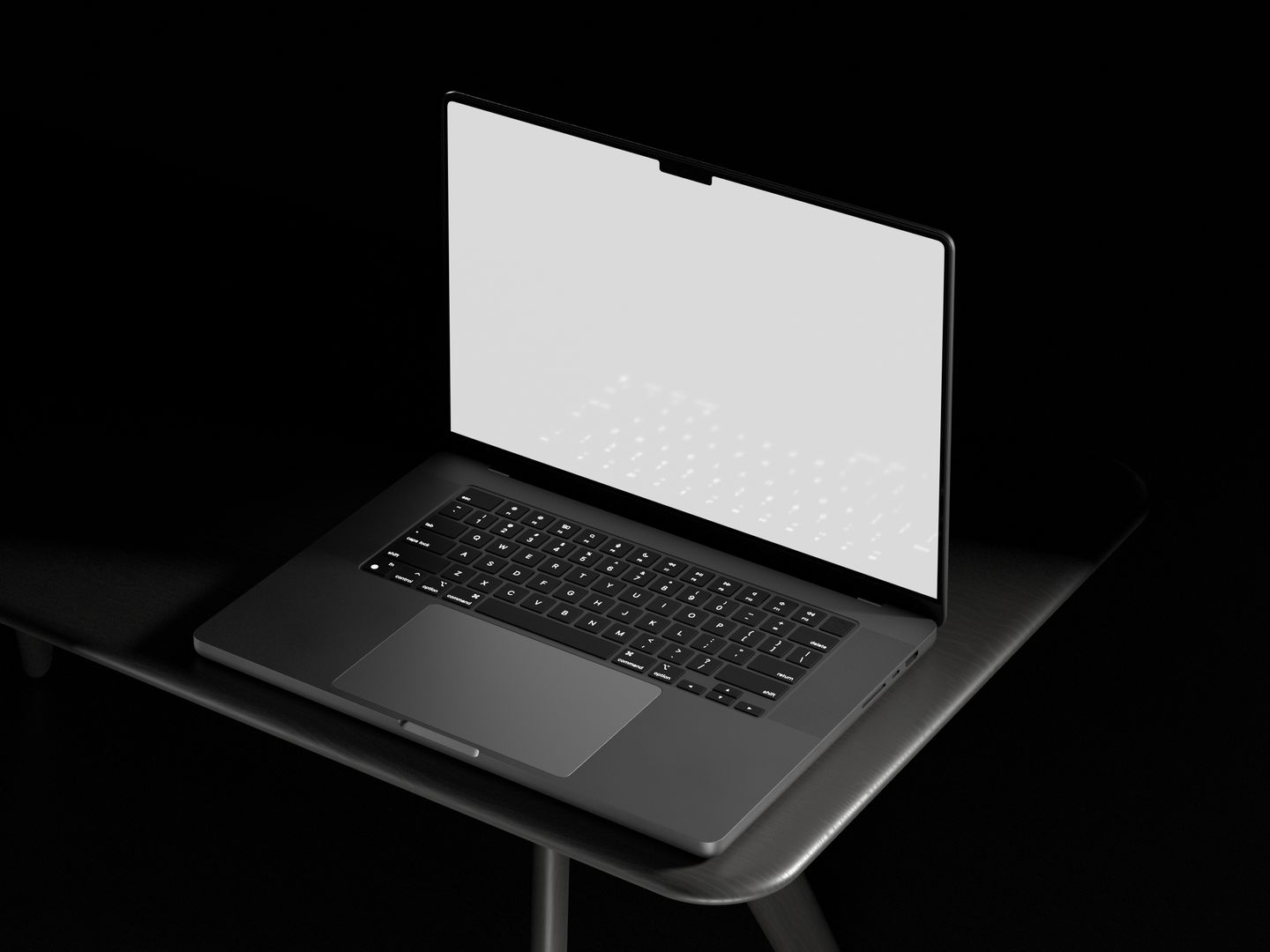
Gaming laptop with OLED display showing game graphics
OLED displays at 240Hz are the new standard in premium gaming laptops

Performance Under Pressure Matters

Two laptops with the same GPU name can deliver wildly different frame rates depending on cooling and sustained power limits

What to Look for Beyond the Spec Sheet

Most pc gaming laptop reviews that look like pure spec sheets miss the single biggest variable: power limits. Two laptops can say RTX 5080 and land in different performance universes depending on cooling, chassis thickness, and how aggressive the OEM is with sustained wattage. That's why this roundup weights consistent performance under a 30–60 minute load, display quality you'll notice every single minute you use the machine, practical portability, and the upgrade ownership story: ports, noise, fan behavior, and whether the laptop still feels good when it's not plugged into a wall. The four winners here all handle sustained loads without severe throttling, and each one offers a high-refresh OLED panel that makes motion and color feel clean. They represent the real spectrum of how people actually use gaming laptops in 2026.

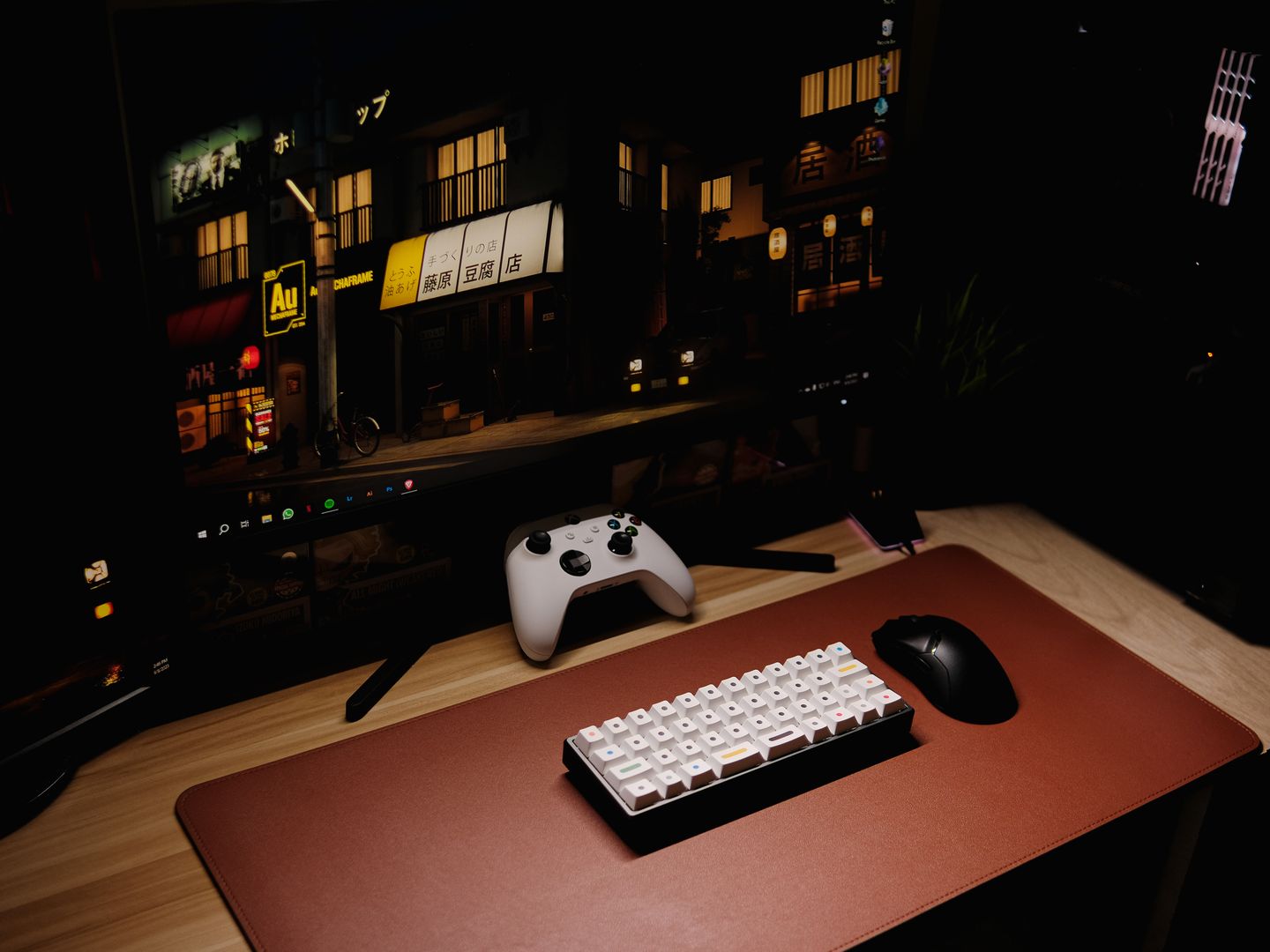
Close up of a gaming desk setup featuring a keyboard, controller, and monitor at night.

The 2026 sweet spot is 2560 x 1600 at 240Hz with OLED—sharp enough that UI and distant detail look crisp, fast enough that mouse feel stays snappy, and OLED enough that dark scenes aren't a gray smear. Every pick in this roundup offers at least a 165Hz OLED panel, making motion and color feel clean for both competitive shooters and heavy single-player titles.

Gaming Laptop Ownership: The Full Picture

Advantages

  • Desktop-class performance in a portable package—real frames, not promises
  • High-refresh OLED displays at 16:10 finally feel premium and sharp
  • Modern I/O and wireless make docking and external monitors easier
  • 2026 models balance heat and noise better than older generations
  • Single machine handles AAA, esports, and creator work without switching

Drawbacks

  • Performance varies wildly by power limits even with the same GPU name
  • Fan noise and heat are unavoidable under heavy sustained loads
  • Pricing climbs fast when chasing top GPU tiers or luxury materials
  • Thin designs sacrifice some sustained headroom for portability

Final Verdict

Buy for the life you actually live. If you want one machine that can anchor your setup for years, the Lenovo Legion Pro 7i is the safest all-around pick. If you want the most premium portable experience, the Razer Blade 16 earns its spot—just go in with eyes open on price. If you're always moving, the ASUS ROG Zephyrus G16 is the rare gaming laptop that still feels like a great laptop. And if you want the most performance-per-dollar without stepping back in display quality, the Lenovo Legion 5 Gen 10 is the value play that doesn't feel like a compromise.

View All Reviews
Disclosure This site may earn a commission from product links featured in reviews and guides. Prices and availability are accurate at time of publication. We prioritize editorial independence—all recommendations reflect genuine testing and research, not paid placement.